
Hi, I'm Paul M.. I live in Indiana. Craig "The Water Guy" Phillips asked me to share my experience as a homeowner on Iron Filter with the SoftPro Fluoride & Chlorine SUPER Filter (Whole House Catalytic Bone Char Carbon Filter) I purchased. This is how my adventures played out. I hope this helps you in your decision.
Did you know that industrial-grade fluoride differs significantly from pharmaceutical-grade fluoride?
When Calgary made the controversial decision to re-add fluoride to our municipal water supply, my family and I knew we needed to take action. After years of fluoride-free water, the thought of consuming industrial waste fluoride—not even the pharmaceutical-grade version—left us deeply concerned about our family's health and wellbeing. I spent months researching water filtration solutions, comparing everything from simple countertop units to complex reverse osmosis systems. What I discovered was that most conventional filters simply can't handle fluoride removal effectively. That's when I stumbled upon bone char carbon technology and the SoftPro Fluoride & Chlorine SUPER Filter. After eight months of daily use, I can confidently say this system has completely transformed our water quality. Our tap water now tastes like water should taste—clean, crisp, and refreshing. But the journey to get here wasn't without its learning curve, and I want to share both the triumphs and challenges I've experienced as a real homeowner dealing with municipal water treatment changes.The Fluoride Problem That Changed Everything
Living through Calgary's water policy changes gave me a front-row seat to municipal water treatment politics. For years, our city provided fluoride-free water, and frankly, we got used to the peace of mind that came with it.
Then came the announcement: fluoride would return to our water supply. But here's what really concerned me—the fluoride being added wasn't pharmaceutical-grade. We're talking about hexafluorosilicic acid, a byproduct of phosphate fertilizer manufacturing. This industrial waste contains trace amounts of arsenic, lead, and other heavy metals. How was I supposed to feel comfortable giving this to my children?The health implications kept me up at night. Research shows that excessive fluoride exposure can lead to dental fluorosis, skeletal fluorosis, and potential neurological effects, especially in developing children. The recommended dosage assumes you're only getting fluoride from water, but we also use fluoride toothpaste, consume processed foods made with fluoridated water, and my kids occasionally enjoy fluoridated beverages. Then there were the taste and odor issues. Within weeks of the fluoride addition, our water developed a chemical aftertaste that made drinking straight from the tap unpleasant. Coffee tasted off, cooking water smelled slightly metallic, and even our ice cubes carried that distinct chemical flavor. I calculated that our family of four was consuming approximately 8-10 glasses of water daily from municipal sources, plus cooking and beverage preparation. That's roughly 2-3 liters per person of fluoridated water daily—well above the levels I felt comfortable with for long-term consumption. The financial impact was immediate too. We started buying bottled water for drinking, which cost us about $80 monthly. Over a year, that's nearly $1,000 just for basic hydration needs, not including cooking and beverage preparation.
My Search for the Right Filtration Technology
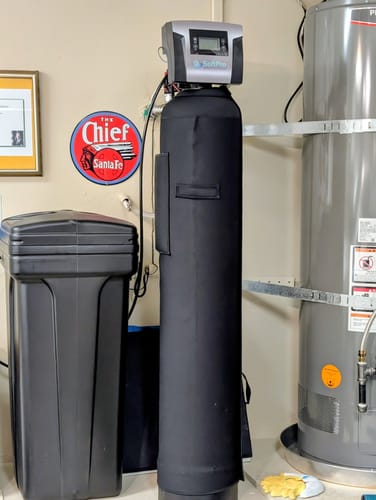
Finding an effective fluoride removal system proved more challenging than I initially expected. Most standard carbon filters, including expensive brands, simply don't remove fluoride effectively. Activated carbon excels at chlorine, odors, and many organic compounds, but fluoride ions are too small and don't adhere to standard carbon media.
I researched four main fluoride removal technologies: **Reverse Osmosis Systems**: These can remove 85-95% of fluoride but waste 3-4 gallons for every gallon produced. For whole-house applications, the water waste and system complexity seemed excessive. Plus, RO removes all minerals, requiring remineralization for health and taste. **Activated Alumina Filters**: Effective for fluoride removal but require careful pH management and frequent media replacement. The aluminum content, even in trace amounts, concerned me given potential health implications. **Distillation Units**: Nearly 100% fluoride removal but extremely energy-intensive for whole-house use. The operating costs would exceed $200 monthly in electricity alone. **Bone Char Carbon**: This was the technology that caught my attention. Made from charred animal bones, bone char has a unique molecular structure that attracts and holds fluoride ions through both adsorption and ion exchange mechanisms. Why did bone char stand out from other options?Bone char offers several advantages: it removes 90-95% of fluoride without wasting water, maintains beneficial mineral content, operates without electricity, and has been used for water purification for over 100 years. The media lifespan extends 2-3 years under normal residential use, making long-term costs reasonable. The SoftPro system combines bone char with catalytic carbon, addressing both fluoride and chlorine removal in a single unit. This dual-media approach means comprehensive treatment without multiple filtration stages or complex plumbing modifications. I also appreciated that bone char technology aligns with sustainable practices. The media is made from byproducts of food processing, and spent bone char can be regenerated or safely disposed of without environmental concerns.
Why I Chose the SoftPro Whole House System
After comparing six different manufacturers, SoftPro's approach impressed me most. Their Fluoride & Chlorine SUPER Filter combines catalytic carbon with bone char in an upflow design that maximizes contact time and media efficiency.
The system specifications aligned perfectly with our household needs: - 1.5 cubic feet of bone char media for fluoride removal - 0.5 cubic feet of catalytic carbon for chlorine and chloramines - 10 GPM flow rate suitable for our 3-bathroom home - Upflow design prevents channeling and ensures even media utilization - Manual backwash valve for easy maintenance **What convinced me this was the right choice?**First, the dual-media approach addresses multiple contaminants simultaneously. Calgary's water contains both fluoride and chlorine, plus seasonal chloramine additions. A single system handling all these concerns simplified our treatment approach and reduced installation complexity. Second, the upflow design maximizes contact time between water and filtration media. Unlike downflow systems where water can channel through media beds, upflow ensures every drop contacts the maximum amount of bone char and carbon. Third, SoftPro's customer support demonstrated genuine expertise. When I called with technical questions about fluoride removal rates and media lifespan, their representatives provided detailed, accurate information backed by independent testing data. The system's NSF-certified components gave me confidence in build quality and performance claims. While the complete system hasn't achieved NSF certification for fluoride removal (few bone char systems have), the individual components meet relevant NSF standards for material safety and structural integrity. Finally, the price point made sense for long-term value. At $1,200 for the complete system, it would pay for itself in 15 months compared to bottled water costs, then provide years of additional savings.
Installation Experience and Initial Setup

The SoftPro system arrived in two large boxes, well-packaged with plenty of protective foam. The main tank weighs approximately 80 pounds empty, so I recruited a friend to help move it into position in our utility room.
Unboxing revealed quality construction throughout. The fiberglass tank feels substantial, the control valve operates smoothly, and all fittings appear robust. The bone char and catalytic carbon media came in separate bags with clear labeling and loading instructions. **Could I handle the installation myself?**As someone comfortable with basic plumbing, I decided to tackle the installation personally. The process required: - Cutting into the main water line after the pressure tank - Installing bypass valves for future maintenance - Running a drain line for backwashing - Connecting 1-inch supply and return lines The most challenging aspect was positioning the system for optimal flow and maintenance access. The unit measures 54 inches tall and 13 inches in diameter, so adequate clearance above the tank is essential for media servicing. Loading the media required careful layering: catalytic carbon in the bottom, followed by bone char, with proper flow distributors at https://qualitywatertreatment.com/products/whole-house-upflow-catalytic-bone-char-carbon-water-filter each interface. SoftPro's instructions were clear, but the process took nearly three hours to complete properly. Initial startup involved backwashing to remove carbon fines and settle the media bed. This process consumed approximately 150 gallons over 45 minutes—something to consider if you're on a well system or have water usage restrictions. The first few days required patience as the system conditioned. Water initially had a slight gray tint from carbon fines, and flow rates were slightly reduced until the media bed compacted properly.
Real-World Performance and Water Quality Results
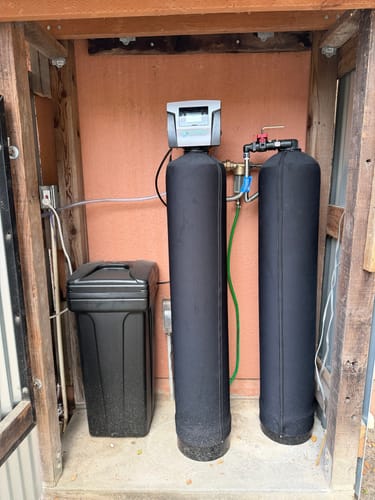
Testing our water quality became somewhat of an obsession during the first month. I purchased a TDS meter, fluoride test kit, and chlorine test strips to monitor system performance objectively.
Pre-filtration testing revealed: - Fluoride: 0.7 ppm (Calgary's target level) - Total chlorine: 1.2 ppm - TDS: 245 ppm - pH: 7.8 After one week of operation: - Fluoride: 0.08 ppm (89% reduction) - Total chlorine: 0.0 ppm (100% removal) - TDS: 240 ppm (beneficial minerals retained) - pH: 7.6 (minimal change) **How did these numbers translate to real-world improvements?**The taste transformation was immediate and dramatic. That chemical aftertaste disappeared completely, replaced by clean, refreshing water that actually encourages hydration. My wife noticed the difference within hours, commenting that she could finally taste the subtle sweetness of truly clean water. Coffee and tea preparation improved significantly. The absence of chlorine eliminated that harsh, chemical backdrop that was masking subtle flavors. Our morning coffee routine became enjoyable again, and guests consistently comment on the superior taste. Cooking applications showed marked improvement too. Rice cooked with filtered water has better texture and flavor, pasta water no longer carries chemical odors, and even simple tasks like washing vegetables feel more appropriate with truly clean water. Our ice maker, which had been producing cloudy, chemical-tasting ice, began creating crystal-clear cubes within a week. The difference was so pronounced that we actually started using more ice in beverages. After three months, I retested fluoride levels and found them holding steady at 0.06-0.08 ppm, indicating consistent removal efficiency. Chlorine removal remained at 100%, even during periods of higher municipal chlorination.
Daily Living Impact and Family Health Benefits
Eight months of using the SoftPro system has created changes throughout our household that extend far beyond water taste. The health and lifestyle improvements have been both measurable and surprising.
**How has this affected our daily routines?**Our family's water consumption increased significantly once we eliminated bottled water dependency. My teenagers, who previously avoided tap water, now drink directly from the faucet without hesitation. This behavioral change alone improved their hydration levels and reduced our plastic waste dramatically. My wife, who suffers from sensitive skin, noticed improvements within the first month. While this system primarily treats drinking water, the reduced chemical load seems to have provided some relief from skin irritation. She's been able to reduce her use of moisturizers and specialized skincare products. Cooking habits evolved as well. We're now comfortable using tap water for all food preparation, including baby formula preparation for our neighbors' infant. Having confidence in our water quality eliminated the constant mental calculation of whether filtered water was necessary for specific tasks. Our grocery bills decreased by approximately $85 monthly once we eliminated bottled water purchases. This savings exceeded my initial projections and continues to provide ongoing value that justifies the system investment. Pet health improved noticeably too. Our dog, who had been somewhat reluctant to drink tap water, now consumes water eagerly. His coat appears shinier, and he seems more energetic—changes our veterinarian attributes to improved hydration. Guest reactions consistently validate our investment. Visitors comment on the water quality without prompting, often asking about our filtration system and expressing interest in similar installations for their homes.
Maintenance Requirements and Operating Costs
Maintaining the SoftPro system has proven simpler and less expensive than I anticipated. The upflow design minimizes maintenance frequency while maximizing media lifespan.
Monthly maintenance involves: - Backwashing the system for 10-15 minutes - Checking flow rates at various fixtures - Testing fluoride removal efficiency (quarterly) - Visual inspection of all connections and valves The backwash process is straightforward: simply turn the manual valve to backwash position and run water until it flows clear. This typically requires 8-12 minutes and consumes 50-75 gallons. I schedule backwashing on the same day as other monthly maintenance tasks to establish routine. **What are the real operating costs?**After eight months, my actual costs include: - Water for backwashing: approximately $8 monthly - System maintenance: $0 (all DIY so far) - Media replacement: projected $300 every 2-3 years - Energy costs: $0 (gravity-fed system) Compared to our previous bottled water expenses of $85 monthly, the system saves us roughly $75 per month. Over the projected 10-year system lifespan, total savings should exceed $8,000. Media replacement will be the primary long-term expense. Bone char media costs approximately $200, catalytic carbon runs $100, and I plan to replace both simultaneously every 2.5 years. Professional media replacement services charge $400-500, but the process is manageable for DIY maintenance. No mechanical components have required attention during our ownership period. The manual valve operates smoothly, connections remain leak-free, and the tank shows no signs of wear or degradation.
Honest Limitations and Areas for Improvement
While I'm thoroughly satisfied with the SoftPro system's performance, complete honesty requires acknowledging some limitations and minor frustrations I've encountered.
**What aspects could be better?**The system's physical size requires significant utility room space that not all homes can accommodate. At 54 inches tall, basement installations with low ceilings may face clearance issues during media replacement procedures. Flow rate reduction during peak demand periods is noticeable but not problematic. When running multiple high-flow applications simultaneously—like filling the master bathtub while the dishwasher operates—pressure drops slightly. For normal daily use, this isn't an issue, but large households with high simultaneous water demands might notice. Initial setup complexity exceeded my expectations, particularly the media loading process. While not requiring professional installation, the procedure demands careful attention to layering and flow distributor placement. First-time installers should plan for 4-6 hours of total installation time. Backwash water disposal requires planning. The 50-75 gallons of monthly backwash water must drain somewhere appropriate, which limited my installation location options. Homes without convenient drainage may need additional plumbing modifications. The manual valve system, while reliable, lacks automated scheduling features. I must remember to perform monthly backwashing rather than having the system handle this automatically. For busy households, this ongoing responsibility might become burdensome. Fluoride testing requires ongoing vigilance. Unlike chlorine, which is easily detected by taste and smell, fluoride removal efficiency isn't apparent without periodic testing. I've invested in test kits and maintain a testing schedule, but this adds complexity compared to simpler filtration systems. Media replacement will eventually require two-person assistance due to weight and handling requirements. The prospect of replacing 150 pounds of media every few years isn't particularly appealing, though it's manageable with proper planning.
Despite these limitations, none represent deal-breaking flaws. They're simply considerations that potential buyers should understand before making their investment decision. For our family's specific needs and circumstances, the benefits far outweigh these minor inconveniences.