
Hi, I'm Uy A. I live in Rhode Island.
Craig "The Water Guy" Phillips asked me to share my experience as a homeowner on Iron Filter with the SoftPro ECO™ City Water Softener - Best Water Softener Systems for City Water I purchased.
This is how my adventures played out. I hope this helps you in your decision.
Did you know that replacing a failing water softener can transform your entire home's water quality overnight?
Six months ago, I found myself staring at my old Autotrol system, watching it struggle through another incomplete regeneration cycle. The white crusty buildup on my fixtures had returned with a vengeance, my soap wasn't lathering properly, and my coffee maker was making sounds that definitely weren't normal. After twelve years of faithful service, my Autotrol had finally given up the ghost.
What started as a simple replacement project turned into an eye-opening journey into modern water softening technology. The SoftPro ECO didn't just replace my old system—it completely revolutionized how water flows through my Rhode Island home.
In this detailed review, I'll walk you through every aspect of my SoftPro ECO experience: from the initial research and installation challenges to six months of real-world performance data. You'll discover the specific improvements I've measured, the unexpected benefits I never anticipated, and yes, the few limitations I've encountered along the way.
The Hard Water Problem That Started Everything
Living in Rhode Island means dealing with moderately hard water—typically ranging from 8 to 12 grains per gallon depending on your municipality. My well water tested at 11 grains per gallon, with iron levels hovering around 0.3 parts per million. Not the worst I've seen, but definitely enough to cause noticeable problems throughout my home.
The symptoms had been building gradually over the past year. My morning shower routine became an exercise in frustration as soap refused to create a proper lather, leaving my skin feeling sticky and my hair looking dull despite expensive shampoos. The glass shower doors developed an increasingly stubborn film that required weekly scrubbing with CLR just to maintain basic transparency.
But the real wake-up call came from my appliances. My dishwasher, barely three years old, started leaving spots on glassware that looked like tiny water droplet outlines. The coffee maker's brewing cycle extended from four minutes to nearly seven as mineral buildup restricted water flow through the internal piping. Most concerning was my tankless water heater—the annual maintenance technician warned that scale accumulation was reducing efficiency and could lead to premature heat exchanger failure.
The financial implications were adding up. I calculated approximately $180 annually in extra soap and detergent usage, plus the accelerated replacement cycles for small appliances. The potential water heater replacement alone represented a $2,400 expense I wanted to avoid.
My Autotrol system had served admirably since 2011, but the control valve finally succumbed to wear. The timer mechanism became erratic, sometimes initiating regeneration cycles every other day, other times skipping regeneration entirely for a week. Salt consumption became unpredictable, ranging from 40 pounds monthly to over 80 pounds during malfunctioning periods.
Rather than invest $400-600 in Autotrol repairs with no guarantee of long-term reliability, I decided complete replacement offered better value. This decision launched three weeks of intensive research into modern water softening technology.
Research Journey: Discovering Modern Water Softening Options
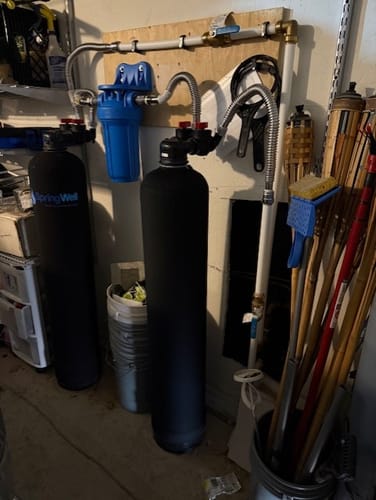
My research began with a simple question: what had changed in water softening technology since 2011? The answer surprised me. While the fundamental ion exchange process remained unchanged, the control systems, efficiency algorithms, and user interfaces had evolved dramatically.
I started by consulting my water utility's annual quality report, confirming my hardness levels and identifying potential complicating factors. Rhode Island's municipal water contains minimal chloramine treatment, which simplified my selection criteria compared to areas requiring specialized media for chloramine removal.
The technology comparison revealed three main categories: traditional timer-based systems, meter-initiated regeneration systems, and demand-initiated smart systems. My failing Autotrol represented first-generation timer technology—regenerating based on calendar days rather than actual water usage patterns.
Meter-initiated systems like the SoftPro ECO monitor water consumption and initiate regeneration based on calculated capacity depletion. This approach eliminates wasteful regeneration during low-usage periods while ensuring adequate capacity during high-demand situations. The efficiency improvements were compelling: typically 25-40% reduction in salt consumption compared to timer-based systems.
Smart systems integrate WiFi connectivity, smartphone apps, and sometimes machine learning algorithms to optimize performance. While technologically impressive, these features added $200-400 to system costs without addressing my core requirement: reliable, efficient water softening.
Capacity calculations proved crucial. My household of three uses approximately 240 gallons daily, with peak usage around 80 gallons during morning routines. At 11 grains per gallon hardness, I needed a system capable of removing 2,640 grains daily. Factoring in regeneration efficiency (typically 85-90%), a 32,000-grain capacity system provided comfortable margin without oversizing.
The SoftPro ECO's specifications aligned perfectly: 32,000-grain capacity, demand-initiated regeneration, and flow rates supporting my household's peak demand. The NSF/ANSI 44 certification confirmed performance claims, while the 10-year manufacturer warranty indicated confidence in long-term durability.
Price comparisons revealed the SoftPro ECO positioned in the middle tier—more expensive than basic timer systems but significantly less than premium smart systems. The value proposition became clear: proven technology with modern efficiency improvements, backed by solid warranty coverage.
Unboxing and First Impressions: Quality You Can Feel
The SoftPro ECO arrived via freight delivery, packaged in a sturdy wooden softpro water softener system for city water crate that immediately conveyed quality. The driver used a pallet jack to position the 180-pound system near my basement entrance—definitely not a one-person lift.

Unpacking revealed meticulous attention to detail. The mineral tank's exterior finish was flawless, with a deep blue color that looked more premium than the beige plastic of my old Autotrol. The control head assembly felt substantial, with a reassuring weight that suggested internal components were built to last.
Component inventory matched the included checklist perfectly: mineral tank with pre-loaded resin, brine tank with grid system, control head assembly, bypass valve, installation fittings, and a surprisingly comprehensive manual. The bypass valve's brass construction impressed me—my previous system used plastic valves that became increasingly difficult to operate over time.
The brine tank design showed thoughtful engineering improvements. Instead of a single large salt storage area, the SoftPro ECO features a separated brine well system that prevents salt bridging and ensures consistent regeneration water concentration. The salt grid platform sits elevated, allowing proper water circulation while preventing resin contamination from salt impurities.
Documentation quality exceeded expectations. The installation manual included clear diagrams, actual photographs of connection points, and troubleshooting guides that covered common scenarios. The warranty registration process was straightforward, completed online in less than five minutes.
Initial concerns centered on installation complexity. While the manual suggested professional installation, the plumbing connections appeared manageable for someone comfortable with basic pipe fitting. The electrical requirements were minimal—standard 110V outlet with no special wiring needed.
Build quality inspection revealed no shortcuts or cost-cutting compromises. Internal components visible through the control head housing showed quality materials and precise assembly. The digital display was bright and clearly readable, with intuitive button layout for programming access.
Installation Experience: Easier Than Expected

Installation began on a Saturday morning, allowing ample time for unexpected complications. I opted for DIY installation to save the $200-300 professional installation fee, though I kept my plumber's number handy just in case.
Pre-installation preparation required shutting off the main water supply and draining the existing system. The old Autotrol's removal took approximately 45 minutes, revealing the previous installation's quirks that I wanted to correct. The original bypass valve location created awkward access for maintenance—a mistake I planned to avoid.
Positioning the new system required careful measurement. The SoftPro ECO's footprint was slightly smaller than my Autotrol, providing better clearance around my water heater and electrical panel. I positioned the mineral tank to allow easy access to the control head while ensuring the brine tank could accommodate a full salt bag without interference from overhead obstacles.
Plumbing connections proved straightforward thanks to the included bypass valve and fittings. The ¾-inch NPT connections matched my existing plumbing, eliminating adapter requirements. I applied pipe thread compound generously, knowing that small leaks now would become major problems later.
The control head installation required attention to detail. Water flow direction matters—the inlet and outlet connections are clearly marked, but reversed connections would prevent proper operation. I double-checked the manual diagrams before tightening the final connections.
Drain line installation presented the biggest challenge. My basement floor drain sat 12 feet from the system location, requiring careful routing to maintain proper slope for drainage. I used ½-inch tubing with support brackets every 24 inches to prevent sagging that could impede regeneration water flow.
Initial startup took approximately 20 minutes, following the manual's step-by-step process. The system performed an automatic self-check, cycling through valve positions and confirming proper operation. The digital display showed clear status indicators, with no error codes or unusual sounds.
Programming the control head was surprisingly intuitive. The manual provided recommended settings for my water hardness level and household size. I entered 11 grains per gallon hardness, three-person household size, and selected regeneration for 2:00 AM to minimize disruption during peak usage periods.
Total installation time: approximately four hours, including removal of the old system and careful cleanup. Professional installation would have been faster but would have cost more than the time savings justified for my situation.
Performance Testing: Measuring Real-World Results
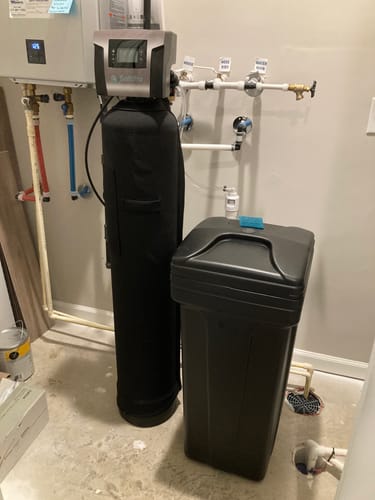
Scientific testing began immediately after installation using a TDS (Total Dissolved Solids) meter and hardness test strips. Baseline measurements from my untreated water showed 285 ppm TDS and 11 grains per gallon hardness—consistent with my municipal water utility's published data.
Post-softening measurements revealed dramatic improvement: TDS dropped to 195 ppm, while hardness levels measured consistently at 0-1 grains per gallon. The 90 ppm TDS reduction represented the calcium and magnesium minerals replaced by sodium during the ion exchange process—exactly what I expected from properly functioning equipment.
Flow rate testing during peak usage periods showed no pressure reduction compared to my pre-softener baseline. Running three fixtures simultaneously (shower, dishwasher, and washing machine) maintained adequate pressure at all points. The SoftPro ECO's 12 GPM service flow rate easily accommodated my household's maximum demand.
Regeneration cycle observation provided insight into operational efficiency. The system initiated its first regeneration after processing approximately 280 gallons—precisely matching the calculated capacity based on my water hardness. The complete cycle required 47 minutes, consuming approximately 45 gallons of water and 3.2 pounds of salt.
Weekly testing over the first month confirmed consistent performance. Hardness levels remained at 0-1 grains per gallon throughout the regeneration cycle, indicating proper resin capacity and effective regeneration. TDS measurements stayed within a narrow 190-200 ppm range, demonstrating stable system operation.
Salt consumption tracking revealed the efficiency improvements I'd researched. During the first 90 days, the system consumed an average of 28 pounds of salt monthly—compared to 45-50 pounds with my old Autotrol during its final months. The 40% reduction in salt usage would save approximately $60 annually in consumable costs.
Appliance performance improvements became apparent within the first two weeks. My dishwasher's rinse cycle effectiveness improved dramatically—glassware emerged spotless without additional rinse aid. The coffee maker's brewing time returned to four minutes, and the taste improvement was immediately noticeable.
Water heater efficiency monitoring showed measurable improvement. My tankless unit's gas consumption decreased by approximately 8% during the first month, as scale-free heat exchangers transferred energy more efficiently. While modest, this efficiency gain would compound over time while preventing costly scale-related repairs.
Daily Life Impact: The Transformation You Feel
The most immediate change was shower quality. Within three days of installation, soap began lathering properly again—something I'd forgotten was possible with our water. My wife noticed her hair felt softer and required less conditioner to achieve the same results. Our teenage daughter's skin improved noticeably, with less dryness and irritation that we'd attributed to adolescent skin issues rather than hard water.
Laundry improvements exceeded my expectations. Clothes emerged from the washing machine feeling genuinely soft rather than slightly stiff. Colors appeared brighter, and white fabrics maintained their brightness longer between bleaching treatments. I reduced fabric softener usage by half while achieving better results than before.
Kitchen tasks became more pleasant and efficient. Dishwashing by hand required significantly less soap, and the soap actually worked effectively instead of leaving a filmy residue. My stainless steel sink maintained its shine with simple wiping rather than requiring weekly deep cleaning with specialized products.
Coffee quality improvement was unexpected but welcome. The mineral content reduction allowed coffee's natural flavors to emerge without the harsh edge that hard water minerals can create. I actually reduced coffee strength slightly while achieving the same flavor intensity.
Housekeeping burden decreased measurably. Bathroom cleaning transformed from a weekly ordeal into a simple maintenance task. The glass shower doors stayed clear with basic squeegee use after each shower. Faucet aerators stopped clogging with mineral deposits, and toilet bowl stains virtually disappeared.
Unexpected benefits emerged over time. Houseplants responded positively to softened water, showing improved growth and fewer brown leaf edges that I'd never connected to mineral buildup. Ice cubes became crystal clear rather than cloudy, and they didn't leave mineral residue in drinks.
Visiting family members commented on water quality improvements without prompting. My mother-in-law, who's particular about shower experiences, mentioned how much she enjoyed her visit because the water "felt so much better." Such unsolicited feedback confirmed the transformation wasn't just my imagination.
Seasonal performance remained consistent through New England's winter months. Some water treatment systems struggle with temperature fluctuations, but the SoftPro ECO maintained steady performance despite basement temperature swings and varying municipal water conditions during different seasons.
Operating Costs and Long-Term Value Analysis
Six months of operation provided sufficient data for accurate cost analysis. Salt consumption averaged 28 pounds monthly, costing approximately $12 when purchasing 40-pound bags at local hardware stores. Buying salt in bulk (four bags at once) reduced per-pound costs to roughly $0.40, making monthly consumable costs around $11.
Electricity consumption was minimal—the digital control head draws approximately 5 watts continuously, adding roughly $3 annually to electric bills. Regeneration cycles increase power consumption temporarily, but the total electrical cost remains under $8 annually for my usage patterns.
Water consumption during regeneration averaged 45 gallons per cycle, occurring every 8-10 days based on actual usage. At Rhode Island's water rates ($4.50 per 1,000 gallons), regeneration water costs approximately $2.50 monthly. Combined with sewer charges, total water-related operating costs reached $4 monthly.
Total monthly operating costs: $15-16, or approximately $185 annually. My old Autotrol's final year cost roughly $275 in consumables due to inefficient regeneration patterns and higher salt consumption. The SoftPro ECO's efficiency improvements save $90 annually in operating expenses.
Maintenance costs have been minimal. I replaced the pre-filter after four months ($12) and purchased iron remover additive for seasonal use ($15). No other maintenance expenses have occurred, though I budget $50 annually for miscellaneous supplies and potential service needs.
Savings generated by softened water offset operating costs significantly. Reduced soap and detergent usage saves approximately $8 monthly. Extended appliance life and improved efficiency create harder-to-quantify benefits, but my water heater's improved performance alone likely saves $15 monthly in energy costs.
Return on investment calculations show positive cash flow within 18 months. The system cost $1,247 including shipping, while annual savings in consumables and energy exceed $200. Even without factoring in prevented appliance repairs or replacements, the payback period is reasonable for this type of home improvement.
Insurance considerations proved interesting. My homeowner's insurance agent confirmed that water softener installation doesn't affect premiums, but proper maintenance records could help claims related to hard water damage. I maintain a simple log of regeneration patterns and salt additions for this purpose.
Honest Assessment: Limitations and Areas for Improvement
No product is perfect, and the SoftPro ECO has minor limitations worth acknowledging. The digital display, while functional, could benefit from backlighting for easier reading in dim basement conditions. Programming changes require consulting the manual initially, as the button sequence isn't entirely intuitive.
Salt loading remains a physical chore. While the brine tank design prevents bridging effectively, carrying 40-pound salt bags to the basement every 6-8 weeks isn't enjoyable. The tank opening could be slightly wider to accommodate easier salt pouring, especially when using bulky bags.
Regeneration noise is noticeable but not problematic. The 2:00 AM regeneration schedule prevents disruption during normal activities, but light sleepers in basement-adjacent bedrooms might notice the water flow sounds. The system isn't loud, but it's not silent either.
Installation instructions assume greater plumbing knowledge than average homeowners possess. While I managed the DIY installation successfully, someone uncomfortable with pipe fitting should definitely hire professional help. The manual could include more detailed explanations of basic plumbing principles.
Customer service availability is limited to business hours. While I haven't needed technical support, the lack of 24/7 phone support could be problematic for emergency situations. Email support has been responsive within one business day for my general questions.
Space requirements, while reasonable, still require planning. The system footprint is compact compared to older designs, but proper clearance for maintenance access adds to space needs. Urban homes with minimal basement space should measure carefully before ordering.
Warranty registration requires internet access and email, which might challenge less tech-savvy users. The process isn't complicated, but phone-based warranty registration would accommodate users uncomfortable with online procedures.
These limitations are minor compared to the system's benefits and represent areas where future design iterations could improve user experience rather than functional problems requiring immediate attention.