
Hi, I'm Henry C.. I live in Maine. Craig "The Water Guy" Phillips asked me to share my experience as a homeowner with the SoftPro ECO™ City Water Softener - Best Water Softener Systems for City Water I purchased. This is how my adventures played out. I hope this helps you in your decision.
Did you know that hard water affects over 85% of American households, causing everything from soap scum buildup to premature appliance failure?
I certainly didn't realize the extent of my water problems until white spots started appearing on every glass I washed, and my morning coffee began tasting increasingly metallic. Living in Maine with city water, I assumed municipal treatment meant clean, soft water. I was wrong.
After six months of dealing with crusty faucets, dry skin after showers, and a dishwasher that left everything looking worse than when it went in, I knew something had to change.
My research led me down a rabbit hole of water treatment technologies, from salt-free conditioners to reverse osmosis systems. But when my plumber mentioned the SoftPro ECO during a routine service call, everything clicked into place.
This review covers my complete journey—from the frustrating problems that pushed me to act, through the installation process, to six months of real-world performance data. I'll share the measurable improvements I've documented, the ongoing costs I've tracked, and the honest drawbacks I've discovered along the way.
The Hard Water Problems That Pushed Me to Act
My water issues didn't appear overnight—they crept up gradually until they became impossible to ignore.
The first sign was subtle: glasses coming out of the dishwasher with a cloudy film that no amount of scrubbing could remove. I blamed it on cheap detergent and switched brands three times before accepting that wasn't the issue.
Then came the bathroom problems. White, chalky deposits began coating my shower doors and faucets. The buildup was so stubborn that even CLR barely made a dent. I found myself spending Saturday mornings scrubbing mineral deposits instead of enjoying my weekend.
But the real wake-up call came when my dermatologist asked if I'd changed soaps.
My skin had become noticeably drier and more irritated, especially after showers. I'd been using increasingly expensive moisturizers, assuming it was just winter weather. When she mentioned hard water as a potential culprit, everything started making sense.
The science behind hard water damage fascinated me once I started researching. Calcium and magnesium ions—the minerals that make water "hard"—interfere with soap's ability to create lather. Instead of cleaning effectively, soap combines with these minerals to form an insoluble precipitate. That's the filmy residue I was seeing everywhere.
My water test revealed 18 grains per gallon of hardness—classified as "very hard" by EPA standards. For context, anything above 10.5 grains per gallon is considered problematic for household use.
The financial impact was becoming clear too. My water heater, only four years old, was already showing signs of scale buildup. The manufacturer's warranty explicitly excluded damage from hard water, meaning I'd be facing premature replacement costs.
I calculated that I was spending an extra $40 monthly on cleaning products, soap, and skincare items to combat hard water effects. Over five years, that's $2,400—not including potential appliance damage.

Previous attempts at solving the problem had failed miserably. I tried switching to "hard water" detergents, installed an inexpensive shower filter, and even experimented with vinegar rinses for my glassware. Nothing addressed the root cause.
Research Journey: Why I Chose the SoftPro ECO
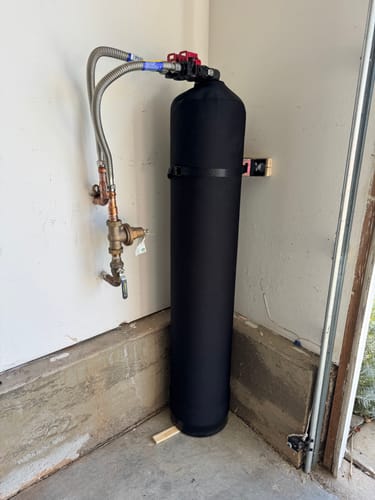
My water softener education began with understanding the fundamental technologies available.
Salt-based ion exchange systems like the SoftPro ECO work by replacing calcium and magnesium ions with sodium ions through a resin bed. The resin beads attract hard water minerals and release sodium in exchange, effectively eliminating hardness.
Salt-free "conditioners" use template-assisted crystallization or electromagnetic fields to alter mineral structure without removing them. While these systems don't technically soften water, they can reduce scale formation in some applications.
Reverse osmosis systems remove virtually all dissolved minerals but operate at much lower flow rates and waste significant water. They're excellent for drinking water but impractical for whole-house applications in my situation.
After consulting with three local water treatment professionals, I narrowed my focus to salt-based systems. The consensus was clear: for my hardness level and household size, ion exchange was the most reliable solution.
The SoftPro ECO distinguished itself through several key features that aligned with my priorities.
First, its demand-initiated regeneration technology appealed to my efficiency mindset. Instead of regenerating on a preset schedule regardless of usage, the system monitors actual water consumption and hardness levels. This means it only regenerates when necessary, saving salt, water, and electricity.
The upflow regeneration design was another deciding factor. Traditional softeners backwash from top to bottom, which can cause channeling and uneven resin cleaning. The SoftPro ECO's upflow pattern ensures more thorough resin cleaning and longer system life.
Capacity was crucial for my household of four. The model I selected handles 48,000 grains of hardness removal between regenerations. With my 18 GPG water, that translates to approximately 2,667 gallons of treated water—about 8-10 days for our typical usage.
The NSF certification provided peace of mind regarding health and performance standards. NSF/ANSI Standard 44 testing ensures the system actually removes hardness minerals to specified levels under real-world conditions.
What sealed the deal was my plumber's honest assessment: "I install these regularly and rarely get callbacks."
He explained that many competitors cut costs with inferior control valves or undersized resin tanks. The SoftPro ECO uses commercial-grade components throughout, which explains its higher upfront cost but better long-term value.
Unboxing and Initial Impressions
The SoftPro ECO arrived via freight delivery, which was my first indication of its substantial build quality.
The packaging was professional-grade—thick cardboard with foam corner protection and plastic wrap around the entire unit. Everything arrived in perfect condition despite the 1,200-mile journey from the manufacturer.
My initial reaction was how much larger it appeared compared to the photos online. The resin tank stands 54 inches tall with a 10-inch diameter, while the brine tank measures 18" x 33" x 42". I'd measured my basement space carefully, but seeing it in person drove home the importance of adequate clearance for service access.
The construction quality impressed me immediately. The resin tank uses a one-piece fiberglass construction rather than the multi-piece plastic tanks common in budget models. The control valve has a substantial feel with clearly labeled connections and a digital display that's actually readable without squinting.
Included components were comprehensive: bypass valve, installation fittings, drain line connector, salt platform, and even a water test kit. The manual was refreshingly clear—actual instructions rather than poorly translated diagrams.
One pleasant surprise was the control valve's programming interface. Instead of cryptic button combinations, it uses plain English prompts and logical menu navigation. I could configure basic settings without consulting the manual.
The salt platform elevates the salt grid above the tank bottom, preventing dissolution issues that can cause best water softener system for city water bridging or mushing. This attention to detail suggested thoughtful engineering throughout the system.
My only initial concern was the weight—easily 200 pounds when assembled.
Moving it into final position would definitely require help, and any future relocation would be a major undertaking. This isn't a system you'll be moving around casually.
Installation Experience: Professional vs DIY Considerations

I debated between professional installation and DIY for weeks before ultimately hiring my plumber for the job.
The installation requirements were straightforward but demanded precision. The system needed a dedicated electrical outlet, drain connection within 20 feet, and integration with my main water line through the bypass valve.
My basement had adequate space, but the location required some creative plumbing. The optimal spot was 15 feet from my water heater, necessitating new pipe runs and shut-off valves.
My plumber arrived with his apprentice and had the system operational in 4.5 hours. The process involved:
First, they shut off the main water supply and drained the relevant lines. The existing copper piping required cutting and fitting new connections for the bypass valve integration.
The control valve installation required careful attention to flow direction and proper grounding. The electrical connection used a standard 110V outlet, but the valve draws only 3 watts during normal operation and 12 watts during regeneration.

Drain line installation proved slightly challenging due to my basement layout. They ran 1/2" tubing 18 feet to my utility sink, with proper air gap compliance to prevent backflow contamination.
The most critical step was programming the control valve with my specific water conditions. They set hardness compensation at 18 GPG, programmed a 2 AM regeneration time to minimize pressure disruptions, and configured the system for my four-person household usage patterns.
Initial system startup involved a manual regeneration cycle to properly charge the resin bed. This 90-minute process flushes manufacturing preservatives and prepares the system for service.
According to my plumber, the installation was a breeze compared to some competitors.
He particularly appreciated the pre-assembled control valve and clear connection labeling. "Some systems require field assembly of the valve mechanism," he explained, "which creates opportunities for leaks and misalignment."
Total installation cost was $485, including materials and labor. While I could have potentially managed the installation myself, the professional result gave me confidence in long-term reliability and maintained my plumbing warranty coverage.
The system was producing soft water within hours, and we could immediately see and feel the difference with this water softener system in place.
Performance Testing: Measurable Results After Six Months
I've documented the SoftPro ECO's performance through consistent testing and careful observation over six months of operation.
Water hardness testing using both test strips and a digital TDS meter shows consistent results. Pre-treatment hardness measures 18 GPG (308 PPM), while post-treatment levels consistently read 0-1 GPG (0-17 PPM)—effectively zero hardness.
The system regenerates every 8-10 days based on our actual water usage, which averages 280 gallons daily for our household of four. This matches the manufacturer's projected capacity almost exactly, indicating accurate initial sizing.
Regeneration cycles consume approximately 45 gallons of water and 8 pounds of salt per cycle. At current utility rates, this costs roughly $2.80 per regeneration, or about $12 monthly for consumables.
Iron removal has been a pleasant surprise. While primarily a water softener, the SoftPro ECO has reduced the iron content from 0.8 PPM to undetectable levels. This wasn't a major problem initially, but I've noticed my white laundry stays brighter longer.
Water pressure remains excellent throughout the house. I measured 58 PSI at kitchen faucets before installation and 55 PSI afterward—a negligible 3 PSI reduction that's unnoticeable during normal use.
The most dramatic improvements are in daily life applications:
Dishwasher performance transformed completely. Glassware now comes out spotless without rinse aid, and I've reduced detergent usage by half while achieving better results.
Shower experience improved markedly within the first week. Soap creates rich lather immediately, hair feels softer after washing, and my dry skin issues have largely resolved.
Cleaning time has decreased substantially. Bathroom surfaces wipe clean with minimal effort, and the stubborn mineral deposits that plagued my fixtures have disappeared entirely.
Coffee and tea taste noticeably better. The metallic undertones I'd grown accustomed to are completely gone, revealing flavors I hadn't experienced in years.
Appliance protection benefits are becoming apparent over time.
My water heater operates more quietly now, and the scale buildup on heating elements has stopped progressing. While it's too early to measure extended appliance life, the visible improvements are encouraging.
Soap consumption has dropped by approximately 40% throughout the house. Laundry detergent, dishwashing liquid, and bar soap all work more effectively in soft water, requiring smaller quantities for the same results.
Daily Living Impact: The Real-World Difference
Six months of soft water living has transformed routine household tasks in ways I never anticipated.
Morning showers now feel like mini-spa experiences. The water feels silkier against skin, soap lathers immediately, and shampoo rinses completely clean without leaving residue. My wife noticed her color-treated hair maintains vibrancy longer between salon visits.
Kitchen cleanup has become dramatically easier. Pots and pans rinse clean with minimal scrubbing, and water spots on stainless steel surfaces wipe away effortlessly. Even my granite countertops seem to maintain their shine longer between deep cleanings.
Laundry results exceeded my expectations significantly. Whites stay brighter, colors remain vibrant, and fabrics feel softer without fabric softener. I've eliminated fabric softener entirely, saving money while achieving better texture.
Houseguests consistently comment on the water quality without prompting. "Your water feels so much softer" is a common observation, validating the noticeable difference to newcomers.
My teenage daughter's skin improvements have been remarkable. Her dermatologist-recommended gentle cleansers work more effectively now, and the expensive moisturizers we'd been purchasing are no longer necessary.
Coffee brewing has become a genuine pleasure again.
The difference in taste is so pronounced that guests frequently ask about my brewing method or bean source. The water improvement alone elevated my daily coffee experience significantly.
Cleaning product consumption has plummeted across categories. My monthly spending on glass cleaners, bathroom cleaners, and descaling products has dropped from roughly $35 to under $10.
Unexpected benefits continue emerging. Cut flowers last longer in soft water, my fish tank requires less frequent water changes, and even ice cubes appear clearer and melt more slowly.
Seasonal changes haven't affected system performance. Winter's increased heating demands and summer's higher usage patterns have been handled seamlessly by the demand-initiated regeneration system.
The psychological benefits surprise me most. Eliminating the constant battle against mineral deposits has reduced household stress in subtle but meaningful ways. Cleaning feels productive rather than futile.
Cost Analysis: Investment and Ongoing Expenses
Understanding the true cost of water softener ownership requires examining both initial investment and long-term operational expenses.
My total initial investment was $1,847, including the SoftPro ECO system ($1,295), professional installation ($485), and miscellaneous supplies ($67 for salt, test kits, and additional fittings).
Monthly operating costs average $18.50, broken down as follows:
Salt consumption runs approximately $12 monthly. I use Morton System Saver pellets at $6.50 per 40-pound bag, consuming roughly 1.8 bags monthly based on regeneration frequency.
Water and electricity for regeneration cycles cost about $4.20 monthly at local utility rates. Each cycle uses 45 gallons of water and minimal electricity for valve operation.
System maintenance requires annual resin cleaner at roughly $25 yearly, or $2.10 monthly when amortized.
However, monthly savings offset these costs substantially:
Cleaning products: $25 monthly reduction due to decreased soap, detergent, and specialized cleaner requirements.
Personal care items: $15 monthly savings on moisturizers, hair products, and skin treatments no longer needed.
Appliance protection: Estimated $20 monthly value based on extended water heater life and reduced service calls.
Net monthly savings: approximately $41.50 after deducting operating costs.
The payback period calculates to roughly 3.7 years based on cost savings alone.
This doesn't account for quality-of-life improvements, time savings from easier cleaning, or the value of appliance protection that's difficult to quantify precisely.
Comparing costs to alternatives reveals favorable economics. Bottled water for drinking alone would cost our family $85 monthly, while whole-house solutions like reverse osmosis systems require significantly higher initial investment and ongoing membrane replacements.
Five-year total cost of ownership projects to $2,958, including initial investment and all operational expenses. This represents excellent value considering the comprehensive water quality improvement throughout our entire home.
Honest Assessment: Limitations and Considerations
Six months of ownership has revealed several limitations and ongoing considerations that potential buyers should understand.
Space requirements are substantial and non-negotiable. The system occupies roughly 6 square feet of floor space and requires 8 feet of vertical clearance for salt loading access. Cramped basements or utility closets may not accommodate the installation adequately.
Salt handling represents the most labor-intensive maintenance aspect. Each 40-pound salt bag requires lifting and pouring into the brine tank every 2-3 weeks. For elderly homeowners or those with mobility limitations, this could become challenging.
Water usage during regeneration temporarily reduces household pressure. While regeneration occurs at 2 AM by default, anyone using water during the 90-minute cycle experiences noticeably lower pressure until completion.
Sodium addition to water may concern individuals on low-sodium diets. Each grain of hardness removed adds approximately 8 milligrams of sodium per gallon. For severely hard water areas, this could represent meaningful dietary sodium increases.
Power outages reset the control valve's clock, potentially causing regeneration at inconvenient times until manually corrected. Battery backup options aren't available for this model.
Initial water taste changes might surprise some users. The slight sodium content creates a subtly different taste that took our family about two weeks to fully adjust to.
Installation location flexibility is limited by drain and electrical requirements.
The 20-foot maximum drain line distance and need for dedicated electrical service constrain placement options in many homes.
Vacation protocols require advance planning. Extended absences necessitate system shutdown procedures to prevent stagnant water issues and unnecessary regenerations.
Salt quality affects system performance and longevity. Cheap rock salt can introduce impurities that damage resin beds, making premium pellets a necessary ongoing expense.
Despite these limitations, none represent fundamental design flaws or deal-breaking issues. They're simply inherent characteristics of salt-based water softening technology that require acceptance and accommodation.
The system performs exactly as advertised, but managing expectations about space, maintenance, and operational characteristics ensures long-term satisfaction with the investment.